Call Us


Medically reviewed by Dr. Dhara Pooj (PT)
- BPTh
- 5 min read
Pregnancy-related back pain is diagnosed by medical history and a detailed evaluation. Imaging tests like X-rays or MRIs are usually not needed.
Treatment for back pain includes gentle exercises, postural training and support, and activity modification. Medicines should be taken only if prescribed by your doctor, as certain medicines aren’t safe during pregnancy.
How is back pain during pregnancy diagnosed?
To diagnose back pain during pregnancy, your doctor will do a detailed evaluation after reviewing your medical history. The doctor may ask questions about your symptoms, how they started, any specific activity or trigger that caused them, and whether they're affecting your daily routine. This is followed by a physical evaluation to check your posture, movements and muscle strength, and other tests if needed. Imaging tests like X-rays or MRIs are usually not needed for diagnosing pregnancy-related back pain.

Medical History
Your doctor may ask you certain questions about how your pain started, how long it has been and whether it is affecting your daily activities.
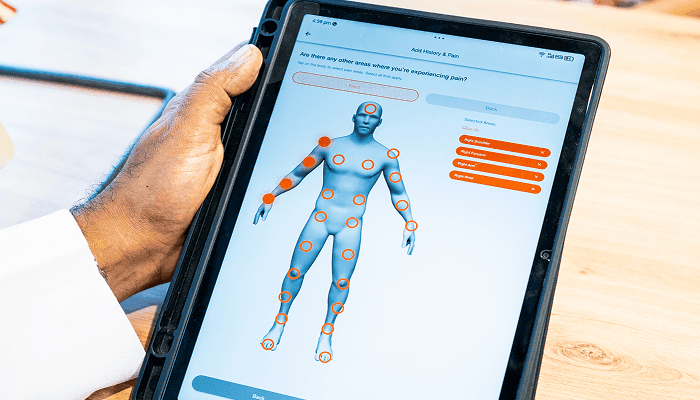
Onset and Trigger
You may be asked how and when the pain started.
Aggravating and relieving factors
Your doctor may ask whether any activities or movements, like standing, walking, sitting, or turning in bed, or getting out of a car, worsen the pain. Understanding which activities cause pain may help the doctor understand if it is related to the lower back or pelvic girdle.
Prior episodes and treatment tried
Your doctor may ask if you have had pain before pregnancy or a similar episode in the past and what you did for it.
Obstetric history
Details about your current and, if any, past pregnancies.
Red flag screening
The doctor may ask if you have experienced any symptoms like sudden, severe pain, increasing weakness, tingling and numbness, or any vaginal bleeding, contractions (before 37 weeks), and any swelling of the hands and face. These are warning signs or red flags and need immediate attention.
History of any associated medical conditions
Your doctor may ask you if you have any comorbidities or any other medical conditions that might be relevant.
Physical Examination
Your doctor will perform an assessment that will include a posture and walking (gait) assessment and mobility or movement testing. Your doctor may check your sensations, reflexes, and muscle strength to rule out nerve involvement.
Certain pain provocation tests might be done to differentiate between pregnancy-related low back pain and pregnancy-related pelvic girdle pain.
Diagnostic Tests and Imaging Procedures:
Imaging tests are usually not required. Your doctor may ask you to get a blood test and urine culture done if needed.
If your obstetrician needs to check foetal growth, they may do an ultrasound.
X-rays or CT scans are not recommended unless mandatory due to radiation exposure.