Call Us


Medically reviewed by Dr. Dhara Pooj (PT)
- BPTh
- 7 min read
A slipped disc, or prolapsed or herniated disc, can happen when the soft, inner part of the disc moves out through the weak or torn rigid outer layer. Once you visit a doctor, you may be asked how your symptoms started, what makes it better or worse and other details about your pain and discomfort. Diagnosis also includes a thorough hands-on evaluation and imaging tests (if required).
How Is A Slipped Disc Diagnosed?
A slipped disc, or prolapsed or herniated disc, can happen when the soft, inner part of the disc moves out through the weak or torn rigid outer layer. This can put pressure on the surrounding soft tissues like nerve roots or muscles and can cause tingling or numbness, which can travel down the arm or leg, depending on the location of the slipped disc.
A slipped disc diagnosis involves medical history and physical and neurological assessment. Imaging tests like MRI may be advised if the clinical diagnosis is unclear, to rule out a probable diagnosis, or if symptoms persist even after appropriate treatment.

Medical History
A healthcare professional may ask you the following:
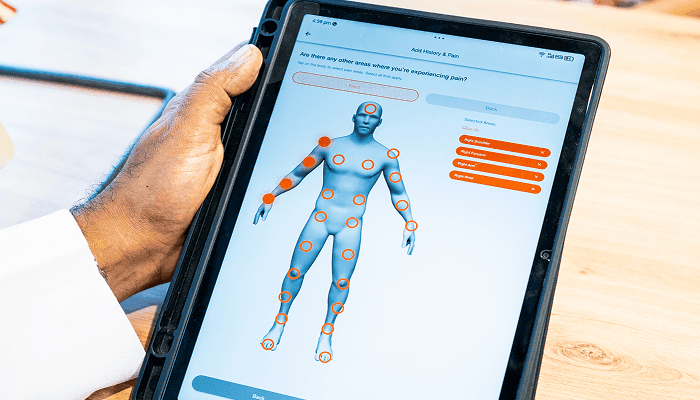
- Onset and duration of symptoms:
The spine specialist or orthopaedic doctor may ask you the following:
- Where is the pain (lower back or neck), and if the pain is present in only one region, or does it travel down the arm or leg?
- Whether the symptoms begin gradually or suddenly following movements like bending, twisting, heavy lifting, or a fall or an injury.
- How long have you had the symptoms, and has the pain improved or worsened?
You may also be asked if you are experiencing any symptoms like tingling, numbness, muscle weakness, difficulty in walking, balance or co-ordination.
- Aggravating factors and relieving factors:
- Any factors or movements that trigger or aggravate the pain, e.g., sitting, standing, bending, twisting, walking, etc.
- Movements or activities that provide pain relief, like rest, heat therapy, etc.
- Family history:
A history of slipped discs in the family increases the chances of getting them, so it is important to understand/rule out family history.
- Medical and surgical history:
Any history of medical conditions that may impact the recovery process, such as diabetes, hypertension (high blood pressure), and any relevant surgical history that may have caused a slipped disc or might affect the treatment process.
- Red flags/ warning signs:
You may be checked for any warning signs like loss of bowel and bladder function, loss of sensation, or sudden worsening of symptoms, which could be an indication of severe nerve damage.
Physical and Neurological Examination
Physical and neurological assessment includes examination of the back and limbs.
Movement and Flexibility:
The assessment may reveal limitations in spinal movements such as forward bending, backwards bending, or sideways bending.
Posture:
Postural assessment may include checking for any changes like a flattened lumbar spine or shifting of the trunk to one side.
Tenderness:
Checking for any pain on pressing the spine, as localised tenderness might be seen in some cases.
Sensations and reflexes:
If nerve roots are affected, it may cause sensory loss and/or absent or sluggish reflexes.
Balance, co-ordination and walking pattern (gait):
Nerve involvement may also affect balance, resulting in difficulty while walking and co-ordination of movements.
Special tests:
Tests like Straight Leg Raise (SLR) or Lasègue test may help a physiotherapist in understanding which nerve root may be involved.
Imaging and Diagnostic Tests
Imaging procedures like X-ray, MRI or other investigations
- X-ray: An X-ray doesn’t show a herniated disc but can help identify changes associated with bones, like a lumbar fracture or spondylolisthesis (slipping of one vertebra over another, commonly seen at L4-L5 and L5-S1 levels), or conditions like osteoporosis, osteoarthritis, or ankylosing spondylitis.
In case of a chronic disc prolapse, an X-ray might be able to show the reduced disc space.
- MRI: An MRI provides images of intervertebral discs, joints, spinal nerves, and other soft tissues. Most commonly, MRI helps to confirm a slipped disc diagnosis.
However, not all MRI findings that show a slipped disc might be symptomatic. Hence, it is important to correlate these findings clinically.
- CT scan: If an MRI cannot be performed, a CT scan can be done. A CT scan provides images of the bones and soft tissues.
- EMG and NCV: Electromyography and nerve conduction velocity studies may be done to identify which nerve is involved. These tests are rarely necessary.
- Myelogram: A myelogram provides detailed images of the spinal cord and nerves and may be helpful to understand the nerve involvement. It may be useful where a CT scan is not available.
What Are the Treatment Options for A Slipped Disc?
The treatment options for a slipped disc include conservative or non-surgical management and may be surgery if necessary.
Non-surgical treatment for a slipped disc
Nearly 60-90% of slipped disc cases often resolve spontaneously.
Non-surgical treatment for slipped disc includes physiotherapy, medications, certain lifestyle modifications and injections if needed.
- Physiotherapy:
Physiotherapy helps in managing pain and improving mobility, muscle strength, balance, gait, and co-ordination. Based on the assessment and diagnosis, a physiotherapist may prepare a personalised treatment plan that may include:
- Pain management: Physiotherapists use various techniques to reduce pain and stiffness or electrotherapeutic modalities like TENS (Transcutaneous Electrical Nerve Stimulation) or IFT (Interferential Therapy) that involve passing microcurrents to the painful area. Hot water fomentation may provide temporary relief in chronic pain.
- Posture correction: Postural training may include stretching tighter muscles, strengthening weaker muscles and using postural aids.
- Improving mobility and flexibility: Daily activities like turning, sitting, standing, twisting, etc., or movements that are painful or restricted. Certain stretches to relax the tight muscles may be done to improve flexibility.
- Increasing muscle strength: Improving strength of back and core muscles.
- Balance retraining: Balance training may include exercises like one-leg standing, tandem walking, etc.
- Lifestyle modifications and ergonomic changes:
Lifestyle modifications may include changes like improving physical activity levels, maintaining a healthy body weight, improving sleep quality, and practising stress management and relaxation techniques like breathing exercises or meditation to support recovery.
Ergonomic modifications may include:
- Using an ergonomic chair with proper back and foot support
- Taking stretch breaks every 30-45 minutes
- Keeping the laptop or phone screen at eye level
- Medicines:
Anti-inflammatory medicines or other painkillers as prescribed by an orthopaedic doctor may help manage symptoms and support recovery. At times, muscle relaxants may be prescribed to relieve spasm and cramps. Occasionally, injections may be prescribed if needed.
When do you need surgery for a slipped disc?
Surgery is usually not the first choice for herniated discs. Most slipped disc cases respond well to conservative treatment, and only 5- 10% of people may need surgery. It may be considered in the following cases:
- No response to conservative care (non-surgical treatment).
- Patients presenting with cauda equina syndrome.
- Development of new symptoms or worsening of symptoms.
- Severe nerve compression.
Spinal decompression surgery helps relieve the pressure on the spinal cord and nerves. Common surgical procedures include:
- Fenestration
- Laminotomy
- Hemi-laminectomy
- Laminectomy
- Discectomy
Non-Surgical Treatment for Slipped Disc at QI Spine
At QI Spine, we follow a personalised, evidence-based, non-surgical-first integrated care programme for a slipped disc. Our protocols and treatment approach have been shown to reduce pain and improve movement and function, backed by research studies published in medical journals.4, 5 We have successfully managed over 1 lakh patients with spine and other joint conditions through our assured recovery programme. Our multidisciplinary team of orthopaedic doctors and spine specialists plans a tailored recovery programme which includes:
Step 1: Multi-layer Diagnosis
A detailed assessment is done to understand the cause of your symptoms. Advanced research-backed technology like Digital Spine Analysis (DSA) helps to identify the precise cause of your condition.
Step 2: In-clinic Reviews and Treatment
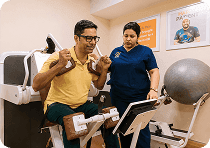
The in-clinic treatment at QI Spine starts with pain management, which includes Cell Repair Therapy, medicines, supplements, or injections if needed, along with lifestyle modifications. Once the pain is reduced, we move to Medical Movement Therapy (specific movements to reduce discomfort) and targeted device-based training to rebuild strength.
Step 3: Daily-care Programme
Based on your condition, you have to follow a structured programme at home that may include exercises or movements, prescribed pain-relief medicines and supplements, posture support aids, and certain lifestyle changes.
Step 4: Long-term Care
The long-term care programme at QI Spine is designed to help reduce the risk of recurrence of disc herniation.