Request Appointment
Enter your details and we will be in touch with you shortly;
Or call
8655885566
between 8 am and 8 pm.

Pain and inflammation at the Coccyx or tail bone
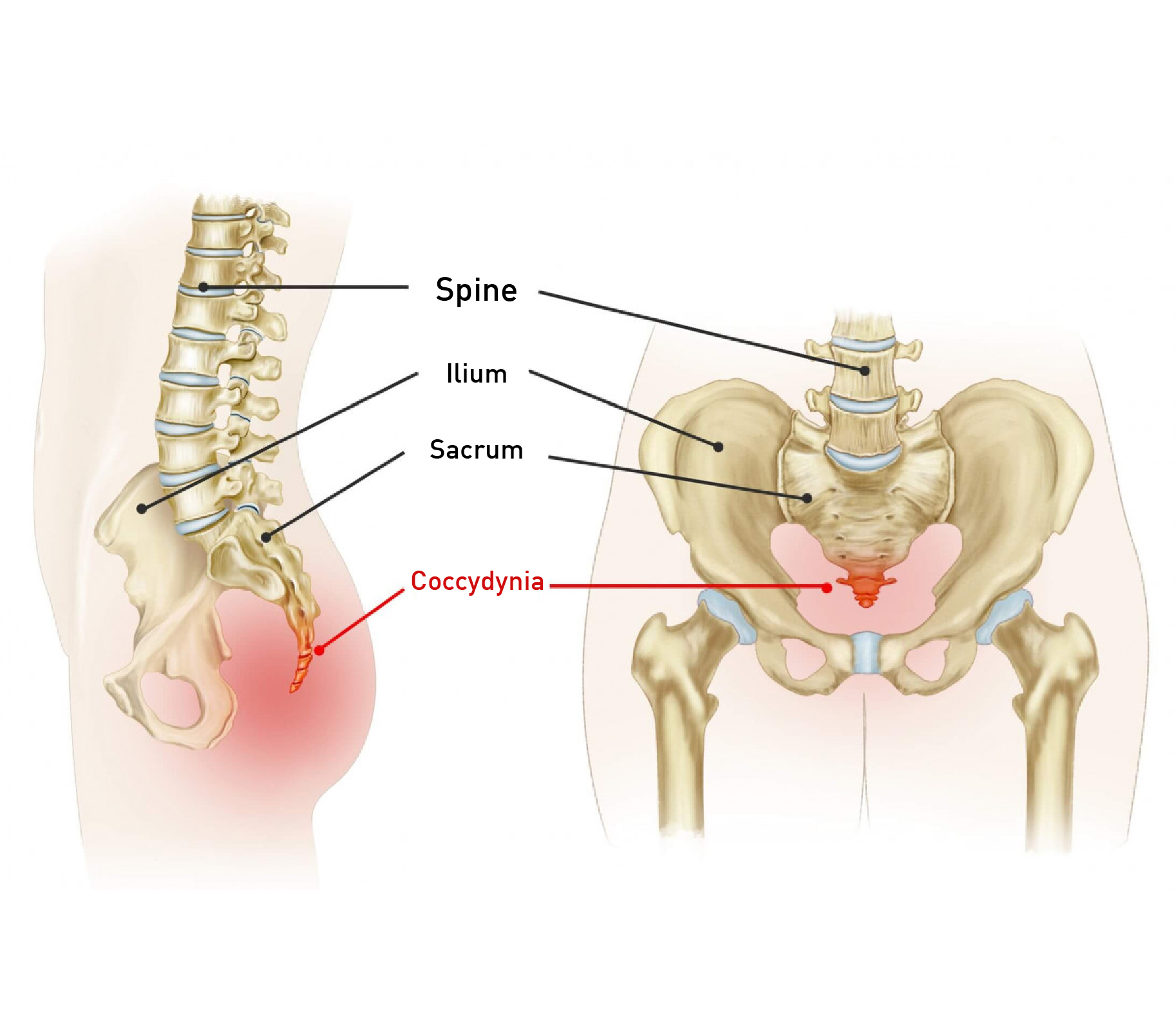
It refers to the pain originating in the Coccyx or the tailbone; often caused by trauma or injury sustained by the Coccyx. Women are more prone to the condition due to wide pelvis that makes the coccyx more exposed.
Patients show a combination of symptoms for the condition. The symptoms of Coccydynia also depends upon the unique anatomy of the patient. But the common symptom is pain in the tailbone area which often flairs up with sitting.
See a spine specialist or a doctor if you have,
 professional diagnosis required
 Chronic, can last for years
 Treatable with 4 weeks of QI Spine Therapy
Coccydynia, commonly known as coccyx pain or tailbone pain, occurs when the coccyx bone becomes inflamed, injured, or unstable. The pain may develop suddenly after trauma or gradually due to repetitive stress and lifestyle-related factors. Below are the most common causes of coccydynia.
Trauma or injury to the tailbone – Pain is commonly caused by an injured tailbone (coccyx bone) due to trauma, such as a sudden fall, direct impact, or a fracture.
Poor posture & obesity – Prolonged sitting with poor posture and excess body weight increases pressure on the coccyx bone, leading to chronic coccyx pain.
Hypermobility or hypomobility of the pelvis – Abnormal movement or restricted mobility of the pelvic joints can cause instability or excessive stress on the tailbone, resulting in coccydynia.
Repetitive stressful activities – Activities like horseback riding, cycling, or sitting on hard surfaces for long durations can cause repeated micro-trauma, leading to persistent tailbone pain.
Pregnancy and childbirth-related trauma – During pregnancy and delivery, increased pelvic pressure or trauma during childbirth may injure the coccyx, causing post-partum coccyx pain.
Tumors and infections – Although rare, tumors, cysts, or infections around the tailbone region can irritate surrounding tissues and lead to severe coccydynia.
Idiopathic coccydynia – In many cases, no specific cause is identified. This condition is known as idiopathic coccydynia and is quite common.
professional diagnosis required Chronic, can last for years Treatable with 4 weeks of QI Spine TherapyOften the pain subsides or resolves with rest and avoiding activities that cause the pain to increase. If it lasts for more than 3 months it is called a chronic condition. In 90% cases, Coccydynia can be treated fruitfully with conservative treatment. Surgery isn’t recommended unless the patient faces serious debilitating conditions.
Additional Treatment Options
In patients suffering from persistent coccyx pain or tailbone pain, a structured and step-by-step treatment approach helps in long-term recovery. Specialized physiotherapy focuses on improving posture, correcting pelvic alignment, and reducing stress on the coccyx bone.
Customized rehabilitation programs may include core strengthening exercises, pelvic floor muscle training, and manual therapy techniques to stabilize the tailbone region. These therapies help reduce inflammation around the coccyx bone and improve mobility without putting excess pressure on the affected area.
For chronic coccydynia treatment, image-guided pain management techniques such as local injections may be considered in selected cases when conservative care alone does not provide sufficient relief. These procedures aim to reduce nerve irritation and inflammation around the tailbone.
Lifestyle modifications also play a crucial role in managing coccyx pain. Using ergonomic seating cushions, maintaining a healthy body weight, and avoiding repetitive strain on the tailbone can significantly improve outcomes. Early diagnosis and timely treatment help prevent the condition from becoming long-standing and debilitating.
professional diagnosis required Chronic, can last for years Treatable with 4 weeks of QI Spine TherapyOften the pain subsides or resolves with rest and avoiding activities that cause the pain to increase. If it lasts for more than 3 months it is called a chronic condition. In 90% cases, Coccydynia can be treated fruitfully with conservative treatment. Surgery isn’t recommended unless the patient faces serious debilitating conditions.
professional diagnosis required Chronic, can last for years Treatable with 4 weeks of QI Spine Therapy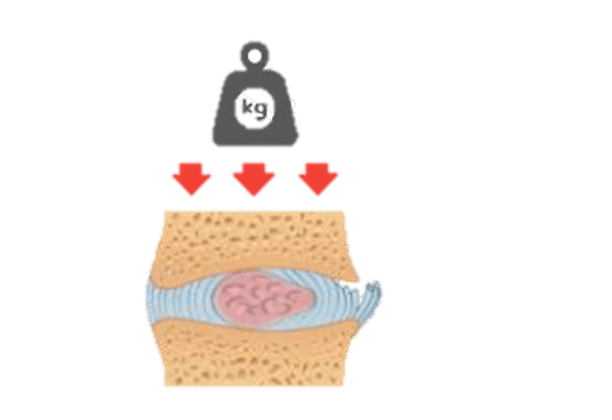

Have a question?
Ask our spine specialists
Who is a QI Spine Specialist?
A QI Spine Specialist is a medical expert.

Dr. Nidhi Sanghvi Shah

Dr. Shital Gaikwad

Dr. Richa Bhatia
9000 hours
of specialisation in treating back and neck conditions
32 hours
of spine physiotherapy specialisation methods in McKenzie concepts, Kinetic control, Neurodynamic solutions, Mulligan’s concepts
500 hours
and 6 months of QI Spine specialisation courses