Request Appointment
Enter your details and we will be in touch with you shortly;
Or call
8655885566
between 8 am and 8 pm.



Waking up with back pain can transform what should be a refreshing night’s sleep into a frustrating start to your day. Whether it’s a dull ache in your lower back or sharp discomfort between your shoulder blades, back pain after sleeping affects millions of people and can significantly impact your quality of life. Understanding why your back hurts after sleeping and what you can do about it is the first step toward more restful nights and pain-free mornings.
Back pain while sleeping or upon waking typically results from a combination of factors including your sleeping position, mattress quality, underlying health conditions, and even your stress levels. Your spine needs proper support throughout the night to maintain its natural curvature, and when this support is lacking, the muscles, ligaments, and joints can become strained.
During sleep, your body should relax and recover from the day’s activities. However, if your sleeping setup doesn’t properly support your spine, your muscles must work overtime to compensate, leading to stiffness and pain when you wake up. This is particularly true for the upper and lower regions of your back, which bear different types of stress depending on your sleeping position.
Lower back pain is one of the most frequently reported sleep-related complaints. The lumbar region of your spine supports much of your body’s weight and maintains a natural inward curve that needs to be preserved during sleep.
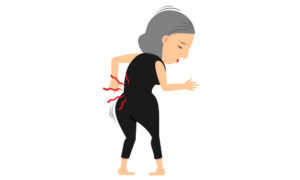
Upper back pain due to one’s sleeping position often shows up differently than lower back discomfort. The thoracic spine, which makes up your upper back, is generally more stable than the lumbar region but can still suffer from poor sleeping habits.
Stress and tension often accumulate in the upper back and shoulders. Many people unconsciously tense these muscles during stressful periods, and this tension can persist during sleep, leading to morning pain and stiffness. The connection between mental stress and physical tension in the upper back is well-established, and addressing stress through relaxation techniques can sometimes alleviate sleep-related upper back pain.
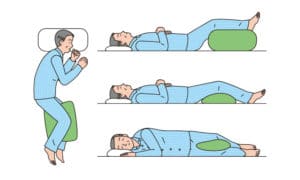
Some sleeping positions support the natural curve of your spine, while others place unnecessary strain on your lower or upper back. Over time, even small misalignments can lead to stiffness, muscle imbalance, and chronic discomfort.
Why sleeping position matters:
Best Sleeping Positions
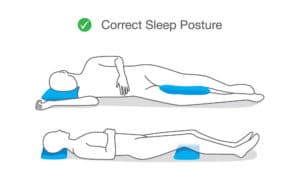
2. Back Sleeping Maintains natural curve of the spine when a pillow is placed under the knees
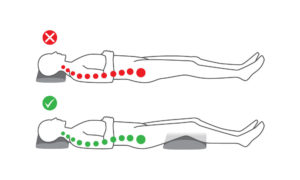
For your spine to maintain its natural curve while you sleep, the right mattress and pillow are essential. They work together to support proper alignment, reduce pressure on your joints, and prevent unnecessary strain on your back and neck.
Choosing the right mattress and pillow
Your sleep surface directly impacts back pain while sleeping. Understanding what to look for can help you make informed decisions about these important purchases.
| Mattress firmness | Best for | Considerations |
|---|---|---|
| Soft | Lightweight side sleepers | May not provide enough support for heavier individuals or back sleepers |
| Medium | Most people, combination sleepers | Balances comfort and support for various sleeping positions |
| Firm | Back sleepers, heavier individuals | May be too hard for side sleepers and can create pressure points |
| Extra firm | Stomach sleepers, those with severe back pain | Can be uncomfortable and may not accommodate natural spine curves |
Modern mattress materials each offer different benefits. Memory foam contours your body and relieves pressure points but can retain heat. Latex provides responsive support and sleeps cooler but tends to be more expensive. Innerspring mattresses offer good support and airflow but may not contour as well to your body. Hybrid mattresses combine multiple materials to offer balanced benefits.
The right pillow depends on your sleeping position and personal preferences:
Incorporating specific exercises and stretches into your routine can significantly reduce back pain while sleeping. These movements strengthen supporting muscles and improve flexibility.
Cat-cow stretch: On your hands and knees, alternate between arching your back upward (cat) and letting it sag downward (cow). Repeat 10 times to mobilize your entire spine.
Knee-to-chest stretch: Lying on your back, bring one knee toward your chest and hold for 20-30 seconds. This gently stretches your lower back and hips.
Thoracic rotation: Lying on your side with knees bent, extend your arms forward and slowly rotate your top arm backward, opening your chest. Hold for 20 seconds on each side to relieve upper back tension.
Child’s pose: Kneel on the floor, sit back on your heels, and extend your arms forward on the ground. This relaxing stretch relieves both lower and upper back tension.
While occasional morning back pain is common and often resolves with position changes and better sleep hygiene, certain symptoms warrant medical attention:
QI Spine is leading India’s orthopedic-designed spine care. We specialize in non-surgical treatment for all spine and joint issues, including chronic back pain that affects your sleep quality. We focus on accurate root cause diagnosis and personalized treatment backed by advanced technology to help our patients recover from spine pain and wake up feeling refreshed.
Our in-house technology, Doctor QI, is designed by our orthopedics to deliver a highly accurate diagnosis from your very first consultation. This comprehensive assessment identifies the exact cause of your back pain while sleeping, whether it’s postural imbalance, muscle weakness, spinal misalignment, disc issues, or structural problems affecting your sleep comfort.
Our team of orthopedists and specialists then creates a treatment plan designed specifically for your pain and lifestyle. We understand that each patient’s back pain has unique contributing factors, including sleeping habits, mattress type, work posture, and daily activities. Our customized approach addresses your individual needs to ensure you can sleep comfortably again.
With QI Assurance, we focus on lasting recovery, helping you get back to living your life fully and comfortably. Our goal isn’t just temporary relief but long-term freedom from back pain, allowing you to enjoy restorative sleep every night.
Targeted medical movements realign the spine and address the root causes of poor posture that contribute to chronic back discomfort during sleep. Our evidence-based protocols ease pain in 70-80% of patients within weeks, helping them wake up pain-free.
We create treatment plans based on your condition to strengthen core and spinal stabilizers to prevent recurrence. Our advanced treatment programs ensure that you develop the muscular support needed to maintain proper spinal alignment throughout the night and during daily activities.
85% of back pain patients avoid surgery, with many returning to work or daily activities pain-free. No surgery, no injections – we focus on guided recovery through:
Do you wake up with back pain regularly? Are you struggling with upper back pain due to sleeping position or lower back discomfort that affects your sleep quality? At QI Spine, we provide the first in-depth consultation at no cost. Call on 86558 85566, and our specialists will schedule your appointment with your nearest location of QI Spine. We’ve helped over 1.2L+ patients reclaim active lives and enjoy pain-free mornings.
Back pain while sleeping doesn’t have to be a permanent condition. By understanding the causes of your pain, whether it’s lower back discomfort or upper back pain due to sleeping position, you can take targeted steps to find relief. Start with evaluating your mattress and pillow, optimize your sleeping position, incorporate strengthening and stretching exercises into your routine, and address lifestyle factors that contribute to pain.
Remember that changing sleep habits takes time, and you may need to experiment with different positions, pillows, and mattresses before finding what works best for your body. Be patient with yourself during this process, and don’t hesitate to seek professional guidance if your pain persists or worsens. With the right treatment, you can transform your sleep from a source of pain into the restorative, healing experience it’s meant to be.
Worry about back pain if it is severe, has persisted for several weeks, is worsening with time, or if you happen to find yourself with numbness, tingling, or leg weakness symptoms. Go for a medical check-up to rule out any serious underlying condition.
Yes, back pain upon awakening may be related to the kidneys, particularly if it is sharp, closer to the lower ribs, and accompanied by other symptoms such as fever, nausea, or changes in urination. Consult a doctor to rule out kidney problems.
When you wake up with stiffness, discomfort, or pain that loosens itself throughout the day after you begin to move, then it is your bed that seems to be the troublemaker. A soft, firm, or even more than 7-10-year-old mattress may bring about aching back in the morning.
Upper back pain after sleeping is mostly caused by muscle strain, poor posture or sleeping on one side for long hours. However, if the pain is persistent, worsening or associated with numbness, weakness or breathing difficulty, medical evaluation is recommended.
To reduce back pain after sleeping, sleep on your back or side with proper spinal support. Use a medium-firm mattress and a pillow that keeps your neck aligned with your spine. Avoid sleeping on your stomach as it puts stress on the back.
Yes, using the wrong pillow can cause upper or lower back pain after sleeping. A pillow that is too high or too flat can disturb spinal alignment, leading to muscle stiffness and morning back pain.
Gentle stretching, warm showers, improving sleep posture and using a supportive mattress can help relieve back pain after waking up. Regular exercises and posture correction also reduce recurring morning back pain.
You should consult a spine specialist if back pain after sleeping lasts for several weeks, worsens over time, or is accompanied by tingling, numbness, weakness or difficulty in movement.
Back pain after sleeping typically occurs when your spine isn’t properly supported during the night. Common causes include an unsuitable mattress, poor sleeping position, weak core muscles, underlying medical conditions like arthritis or disc problems, and poor daytime posture that carries over into sleep.
Side sleeping with a pillow between your knees is generally the best position for preventing back pain. This position keeps your spine aligned and reduces pressure on your lower back. Back sleeping with a pillow under your knees is also excellent, as it maintains the natural curve of your lumbar spine. Stomach sleeping is the worst position for back health as it forces your neck to turn and can create excessive arch in your lower back.
To prevent upper back pain due to sleeping position, focus on proper pillow height and neck alignment. Your pillow should keep your head level with your spine, not tilted up or down. Side sleepers need thicker pillows to fill the gap between shoulder and head, while back sleepers need medium-height support.
Yes, the wrong pillow can definitely cause back pain, especially in your upper back and neck. The right pillow should match your sleeping position and keep your head, neck, and spine in neutral alignment throughout the night.
While occasional morning back pain can be normal, especially after strenuous activity, experiencing back pain every morning is not normal and indicates an underlying issue. This could be related to your sleeping setup, chronic muscle tension, poor posture, or a medical condition requiring attention. Persistent daily morning back pain that lasts more than a few weeks warrants professional evaluation to identify and address the root cause.
A medium-firm mattress is generally best for most people with back pain, as it provides a balance of support and comfort. However, the ideal firmness depends on your body weight, sleeping position, and personal preference. Side sleepers may prefer slightly softer mattresses, while back and stomach sleepers often do better with firmer options. Memory foam, latex, and hybrid mattresses can all work well if they provide proper spinal alignment. The key is choosing a mattress that keeps your spine in a neutral position throughout the night.
Visit our nearest clinic for your first consultation